Water scarcity is no longer a distant environmental concern; it is a growing reality affecting millions of people worldwide. Rising populations, climate change, urbanisation, and groundwater depletion are putting unprecedented pressure on freshwater resources. While governments and industries continue investing in large-scale water conservation projects, an unexpected hero is making a difference at the household and workplace level: the Smart Purifier.
Unlike conventional filtration units that simply clean water, today’s smart water purification system uses intelligent technology to reduce water wastage, monitor water quality, and optimise consumption. Combined with innovations like the Smart Water Cooler, these systems are helping homes, offices, schools, and commercial spaces become more water-efficient without compromising convenience.
Let’s explore how these intelligent solutions are quietly contributing to solving one of the world’s biggest environmental challenges.
Why Water Scarcity Demands Smarter Solutions
According to the United Nations, around 2 billion people live in countries experiencing high water stress, and global demand for freshwater continues to rise. At the same time, millions of litres of water are wasted daily through inefficient purification systems, leaking infrastructure, and unnecessary consumption.
Traditional water purifiers often discard significant amounts of water during the filtration process. Depending on the technology used, some systems can waste two to three litres of water for every litre of purified water produced.
This is where smart technology is changing the equation.
Instead of simply filtering water, modern purification systems focus on maximising efficiency while giving users greater visibility into their water usage.
How Smart Water Purifiers Reduce Water Waste
Intelligent Water Recovery
One of the biggest advantages of a smart purifier is its ability to improve water recovery rates.
Advanced reverse osmosis (RO) systems now recover a much higher percentage of input water compared to older models. Many also redirect reject water for secondary uses, such as the following:
- Cleaning floors
- Washing vehicles
- Gardening
- Toilet flushing
This significantly reduces unnecessary water loss.
Automatic Filter Monitoring
Many households continue using clogged filters without realising it, causing poor purification performance and increased water wastage.
A smart water purification system continuously monitors filter health and alerts users when replacement is necessary. This ensures:
- Better purification efficiency
- Lower energy consumption
- Reduced water waste
- Consistent water quality
Instead of relying on guesswork, maintenance becomes data-driven.
Real-Time Water Quality Monitoring
Clean Water You Can Trust
Traditional purifiers rarely provide information about the quality of the water being consumed.
Smart systems include sensors that continuously monitor factors such as the following:
- Total Dissolved Solids (TDS)
- Filter performance
- Water purity
- System health
Users can view this information through digital displays or mobile applications.
This transparency builds confidence while ensuring the purifier operates at peak efficiency.
Predictive Maintenance
Rather than waiting for a breakdown, smart systems notify users before components fail.
Preventive maintenance reduces repair costs while extending the lifespan of the purifier.
Smart Water Coolers Promote Responsible Consumption
A smart water cooler is much more than a dispenser that delivers chilled or hot water.
Modern models include intelligent features such as the following:
Touchless Dispensing
Motion sensors reduce physical contact, improving hygiene in offices, hospitals, schools, and public spaces.
Usage Analytics
Some commercial smart water coolers track water consumption patterns, allowing facility managers to:
- Identify peak usage hours
- Optimize refill schedules
- Reduce unnecessary waste
- Monitor sustainability goals
Temperature Optimization
Rather than continuously heating or cooling water, smart cooling systems adjust energy usage based on demand, reducing both electricity and water consumption.
IoT Is Making Water Management Smarter
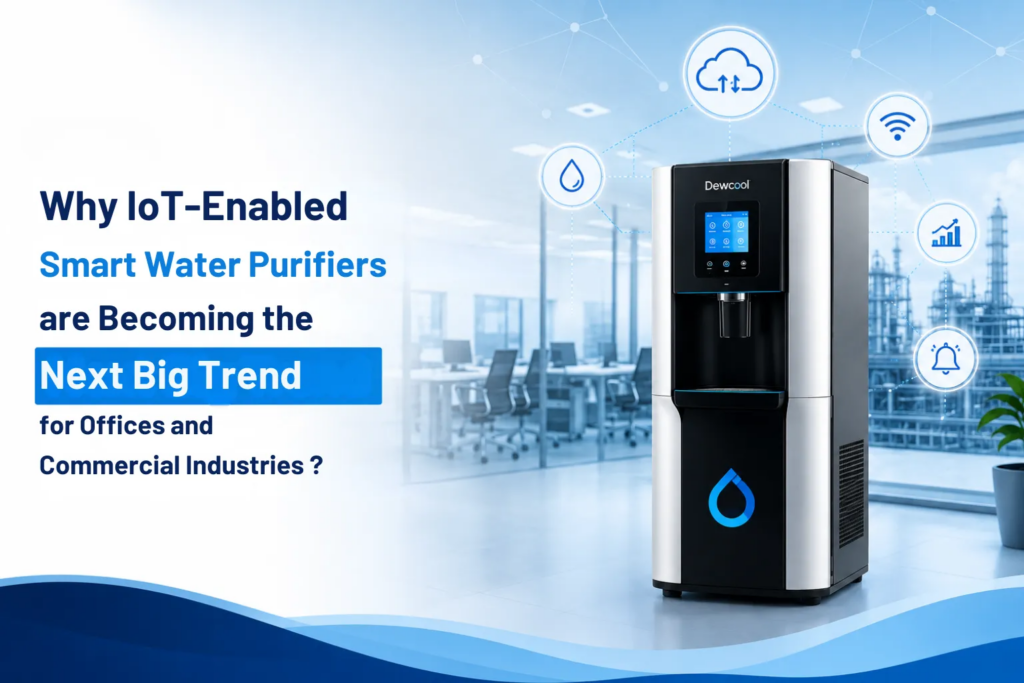
The Internet of Things (IoT) has transformed how modern purification systems operate.
Connected devices allow homeowners and businesses to monitor water systems remotely through smartphone apps.
Users can receive notifications about:
- Water quality changes
- Filter replacement schedules
- Leak detection
- Purification performance
- Daily water consumption
This real-time visibility encourages responsible usage and prevents small issues from becoming expensive problems.
Supporting Sustainable Living Every Day
While one household saving a few litres of water each day may seem insignificant, the collective impact is substantial.
Imagine one million homes reducing water wastage by just five litres daily.
That equals five million litres of water saved every single day.
A smart water purification system contributes to sustainability by:
- Minimizing reject water
- Improving purification efficiency
- Extending filter life
- Encouraging mindful consumption
- Reducing plastic bottle dependency
These small improvements add up to meaningful environmental benefits over time.
Real-World Applications Beyond Homes
Smart purification technology is increasingly being adopted across multiple sectors.
Offices
Organisations use smart purifiers and smart water coolers to provide employees with safe drinking water while tracking consumption and reducing maintenance costs.
Schools and Universities
Educational institutions benefit from centralised smart purification systems that ensure safe drinking water while minimising operational expenses.
Healthcare Facilities
Hospitals require consistently high water quality. Smart monitoring helps maintain safety standards while ensuring uninterrupted access to purified water.
Hotels and Commercial Buildings
Hospitality businesses use smart systems to improve guest experiences, reduce plastic bottle usage, and support sustainability initiatives.
Practical Tips to Maximize the Benefits of Smart Water Purifiers
Getting the most from your purification system involves more than simply installing it.
Here are a few practical tips:
Choose a high water recovery model.
Look for systems designed to minimise wastewater while maintaining excellent purification performance.
Monitor Your Water Usage
Use built-in mobile apps or digital dashboards to understand daily consumption and identify opportunities to save water.
Replace Filters on Time
Ignoring filter replacement reduces purification efficiency and increases water wastage.
Reuse rejected water
Collect reject water for household tasks like mopping, flushing, or watering plants where appropriate.
Schedule Preventive Maintenance
Regular servicing keeps sensors accurate and ensures the purifier operates efficiently for years.
The Future of Smart Water Purification
Artificial intelligence and machine learning are expected to make future purification systems even more intelligent.
Upcoming innovations may include:
- Self-learning purification cycles
- Automatic optimization based on water source quality
- Advanced leak prediction
- Community-wide water consumption insights
- Integration with smart home ecosystems
As these technologies become more affordable, intelligent water management will likely become a standard feature rather than a luxury.
Water scarcity is one of the defining environmental challenges of our time, and solving it requires action at every level. While governments and large organisations play an important role, individual households and businesses also have the power to make a meaningful difference.
A smart purifier does far more than deliver clean drinking water. It helps reduce water waste, monitors system performance, promotes preventive maintenance, and encourages more responsible water consumption. Similarly, a smart water cooler supports hygiene, energy efficiency, and smarter resource management in shared spaces.
By investing in a modern smart water purification system, consumers are not only improving access to safe drinking water but also contributing to long-term water conservation. Small, intelligent choices made today can collectively create a significant positive impact on the planet’s most precious resource.